







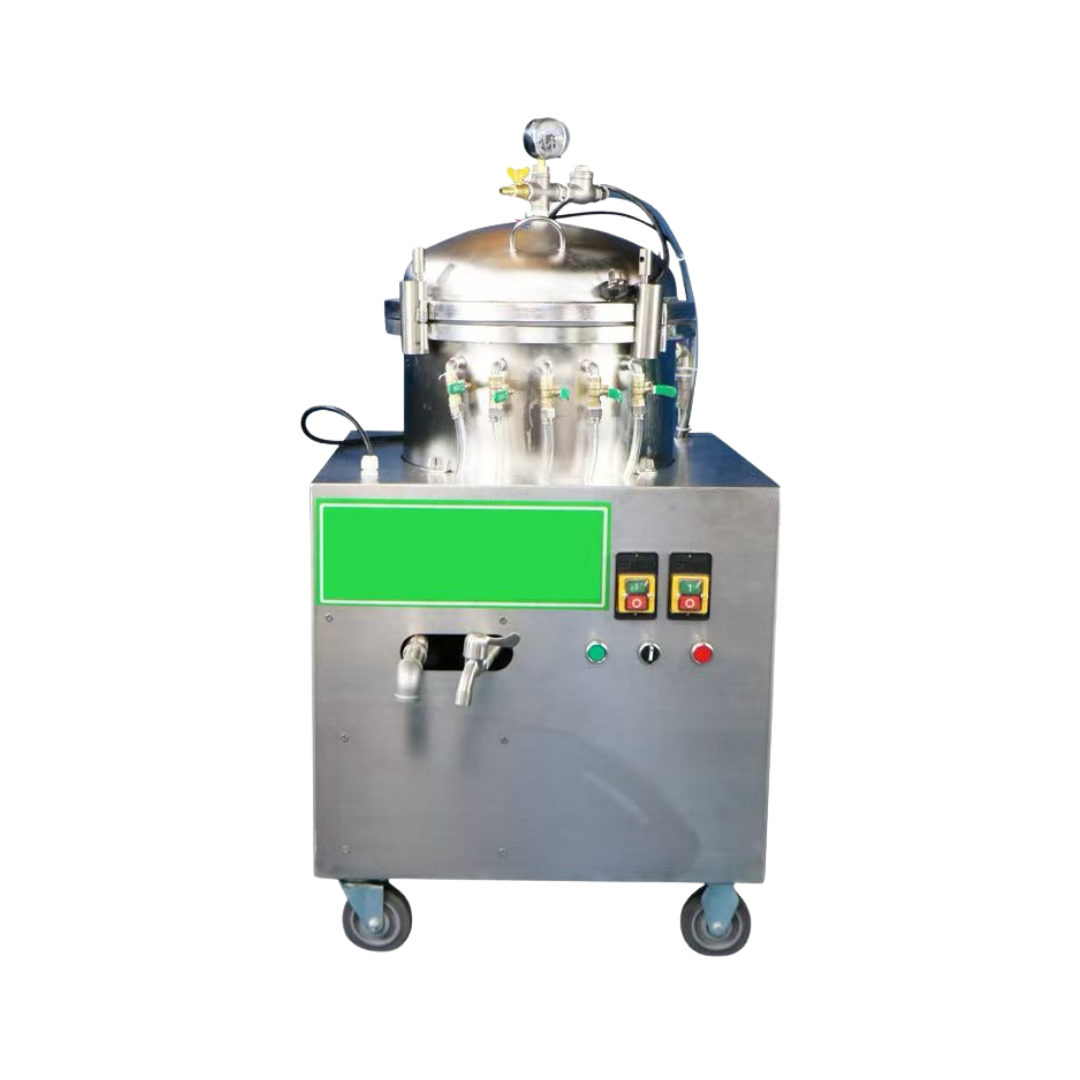
Stainless Steel Edible Oil Filter Machine – Commercial Cooking Oil Purifier
📌 Bullet Point Highlights:
-
Premium Stainless Steel Build – Rust-resistant, food-grade body ideal for commercial kitchens.
-
Advanced Multi-Layer Filtration – Captures fine particles, odors, and residues from used oil.
-
High Capacity Output – Filters up to 100 litres per hour, depending on model.
-
User-Friendly Design – Easy operation with safety switches and temperature control.
-
Energy Efficient Motor – Low power consumption with powerful oil circulation.
-
Extended Oil Lifespan – Reduces the need to frequently replace cooking oil.
-
Improved Food Quality – Cleaner oil means better taste, texture, and hygiene.
-
Easy to Clean & Maintain – Removable filters and smooth surfaces for quick cleaning.
-
Suitable for Various Settings – Restaurants, hotels, snack factories, and oil mills.
-
Safe & Compliant – Meets hygiene and safety standards for food production.
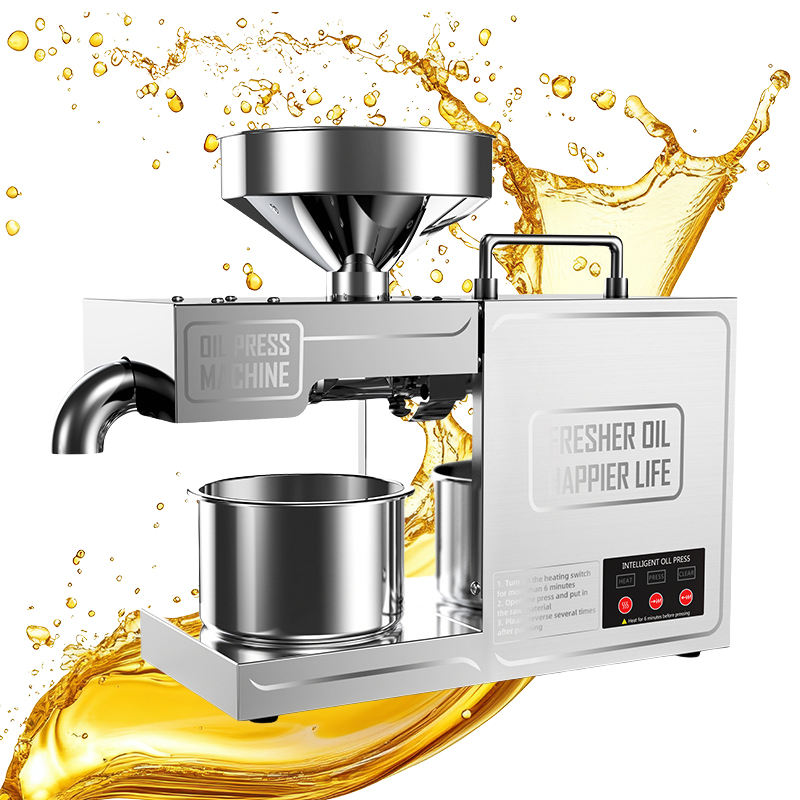
Stainless Steel Household Oil Press Machine – Fully Automatic Cold & Hot Nut and Seed Oil Extractor
Original price was: ₨ 100,000.₨ 85,000Current price is: ₨ 85,000.📌 Bullet Points:
-
✅ Extracts from 20+ Seeds & Nuts: Supports peanuts, sunflower, flaxseed, coconut, sesame, almonds, and more
-
⚙️ Fully Automatic Operation: One-touch start with digital controls for heat and press time
-
🧊 Cold & Hot Press Modes: Choose between nutrient-rich cold press or high-yield hot press
-
🧼 Easy to Clean: Detachable, food-safe components with self-cleaning function
-
🧱 Durable Build: Stainless steel body for hygiene, durability, and heat resistance
-
🔇 Quiet Motor: Low noise, ideal for home kitchens and small business setups
-
💡 Energy Efficient: Runs on minimal electricity while delivering powerful output
-
📏 Compact Design: Space-saving and countertop-friendly
-
🌿 Chemical-Free Oils: Get 100% natural oil with no preservatives or additives
-
👨🍳 Perfect for Home or Small Business: Ideal for daily use, health-conscious families, or organic sellers